Children's Books That Teach Kindness and Courage to Kids.
20 November, 2024· Article by David Brown


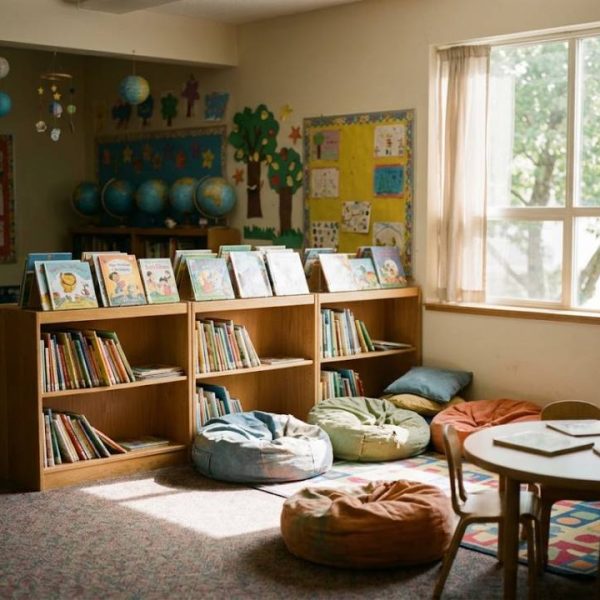
Children learn what kindness and courage look like long before they can define the words. Stories give them safe examples to watch, think about and copy. This guide offers ideas for choosing books and sharing them in ways that help children care for others and stand up for what is right.
Stories Help Children Feel
A story lets a child step into another person's shoes. When they follow a character who feels left out or afraid, they learn what those feelings are like. That understanding is the root of empathy.
Look for Characters Who Make Good Choices
Choose books where characters are kind, fair and brave in ways children can copy. Simple acts such as sharing, speaking up or helping a friend are easy to understand and remember.
Pick Age Appropriate Stories
Younger children enjoy short picture books with clear messages. Older readers can handle chapters, mixed feelings and tougher situations. Match the book to the child's maturity, not only their reading level.
Choose Diverse Voices
Books that show different families, cultures and abilities teach children that people are different and equal. Children see themselves and others, which builds respect.
Use Reliable Anti Bullying Resources
Organizations such as StopBullying.gov share clear guidance for parents, teachers and children. Combining their advice with good stories makes conversations easier.
Read Slowly and Pause
Stop at moments when a character makes a choice and ask what the child would do. Pausing turns reading into thinking and lets children practice solutions safely.
Ask Gentle Questions
How do you think she felt? What could he do next? Open questions invite honest answers without blame. Avoid lecturing, and let the story do the teaching.
Those gentle questions are also a check on understanding: the child's answer shows whether the story's lesson has landed, and a puzzled look tells the adult to pause and talk it through. Teachers use the same idea in lessons, and practical formative assessment examples show how a quick question, a drawing or a short retelling can reveal what a pupil understood without turning it into a test. The goal is not a score, but knowing what to revisit next.
Connect Stories to Real Life
After a book, relate it to everyday situations at school or in the park. Children learn faster when ideas link to their own experience.
Show Courage in Small Ways
Courage is not only dramatic rescues. It can mean telling the truth, inviting someone to play or asking for help. Books that show quiet bravery help children see that anyone can be brave.
Normalize Asking for Help
Stories where characters tell a trusted adult teach children that asking is strong, not weak. Reinforce this message at home and in class.
Celebrate Friendship
Books about making and keeping friends show how to listen, apologize and include others. They give children simple scripts for real moments.
Share Stories Across Languages
Families who speak other languages deserve the same stories. Publishers who bring titles to Turkish speaking readers rely on english to turkish translation so the warmth and humor of the original are kept.
Write for Global Readers
Authors who hope their books travel can benefit from reading about writing global content before translation before translation, since clear, simple text and fewer local jokes make adaptation smoother.
Build a Home Library
Keep a small shelf where children can reach books easily. Rotate titles with library visits. A visible, welcoming shelf invites daily reading.
Visit the Library Together
Librarians know which books suit different ages and concerns. They can suggest stories about kindness, fairness and courage and help you build a list.
Use Books in the Classroom
Teachers can read aloud and discuss a story as a class. Group conversations let children hear different views and practice respectful listening.
Act Out Scenes
Role play helps children rehearse kind responses. Let them take turns being each character. Playing makes difficult conversations feel safe and fun.
Draw and Write Responses
Invite children to draw a favorite scene or write a short note to a character. Creative responses deepen understanding and let quieter children share.
Model Kindness Yourself
Children watch what adults do. Let them see you speak politely, help neighbors and apologize when you are wrong. Your example reinforces every lesson in the book.
Respect Children's Feelings
If a story upsets a child, pause and talk. Do not force them to finish. Feeling safe is more important than reaching the last page.
Choose Humor Too
Funny stories can carry gentle lessons. Laughter opens hearts and keeps children engaged. A silly tale about sharing can be as powerful as a serious one.
Revisit Favorite Stories
Children often ask for the same book again and again. Repetition helps them absorb messages. Each reading may bring new questions and insights.
Work With Families
Schools can send home book lists and discussion ideas. When home and school share the same values, children receive clear, consistent messages.
Be Patient
Kindness and courage grow slowly. Celebrate small steps and avoid expecting instant change. Every shared story is a seed for the future.
Final Thoughts
A good story can plant lasting values. Choose books with warm characters, talk about them gently and live the lessons yourself. Over time, children who grow up with kindness and courage in their stories carry both into the world.
Recent Posts
How to Talk to Kids About Bull...

Mobbing am Arbeitsplatz, Ihre ...

How Everyday Behavior Can Eith...

How Editing and Proofreading I...

Metodi Comprovati per Ridurre ...

Estrategias Reales Para que Es...
Share it.

Links
We use cookies
We use cookies to give you the best online experience, remember your preferences, and understand how the site is used. You can accept all cookies, reject optional ones, or choose which categories to allow.
Privacy PolicyCookie preferences
Choose which cookies we can use. Necessary cookies stay on because the site cannot work without them.
For more details, read our Privacy Policy.